
Pickleball Injuries Below the Knee

Pickleball has become a popular way for adults to stay active, but the quick starts, sudden stops, and side-to-side movement can place significant stress on the lower body. Foot and ankle injuries are not uncommon, especially in players who return to sports after time away, or increase activity too quickly. Common problems include ankle sprains, tendon strain, heel pain, stress injuries, and irritation in the ball of the foot. Poor footwear, uneven court movement, and limited flexibility may raise the risk. A podiatrist can evaluate pain, swelling, instability, or movement changes to determine the cause and recommend treatment that supports safe recovery. Care may include bracing, custom inserts, targeted exercises, activity modification, or additional imaging, when needed. Addressing symptoms early may help prevent a minor injury from becoming a longer setback. If pickleball is causing foot or ankle pain, it is strongly suggested that you visit a podiatrist.

Ankle and foot injuries are common among athletes and in many sports. They can be caused by several problems and may be potentially serious. If you are feeling pain or think you were injured in a sporting event or when exercising, consult with one of our podiatrists from Foot Care Centers of Palm Beach. Our doctors will assess your condition and provide you with quality foot and ankle treatment.

Common Injuries

The most common injuries that occur in sporting activities include:

  • Achilles Tendonitis
  • Achilles Tendon Rupture
  • Ankle Sprains
  • Broken Foot
  • Plantar Fasciitis
  • Stress Fractures
  • Turf Toe

Symptoms

Symptoms vary depending upon the injury and in some cases, there may be no symptoms at all. However, in most cases, some form of symptom is experienced. Pain, aching, burning, bruising, tenderness, tightness or stiffness, sensation loss, difficulty moving, and swelling are the most common symptoms.

Treatment

Just as symptoms vary depending upon the injury, so do treatment options. A common treatment method is known as the RICE method. This method involves rest, applying ice, compression and elevating the afflicted foot or ankle. If the injury appears to be more serious, surgery might be required, such as arthroscopic or reconstructive surgery. Lastly, rehabilitation or therapy might be needed to gain full functionality in the afflicted area. Any discomfort experienced by an athlete must be evaluated by a licensed, reputable medical professional.  

If you have any questions please contact our office located in Boynton Beach, FL . We offer the newest diagnostic and treatment technologies for all your foot and ankle needs.

Read more about Sports Related Foot and Ankle Injuries

Remedies for Big Toe Joint Pain

Big toe joint pain can make walking difficult because this joint helps push the foot forward with each step. Pain in this area can develop from arthritis, bunions, or gout. Sports injuries like turf toe can also be a factor. Symptoms include stiffness, swelling, and pain when bending the toe while walking. Treatment depends on the type and severity of the condition. A podiatrist can examine the foot and use imaging tests to identify the source of pain. Treatment includes custom orthotics, wearing supportive footwear, and anti-inflammatory medication to reduce pressure on the joint. Some people benefit from stretching exercises that improve movement in the toe and foot. Other treatments include targeted exercises, joint injections, and padding that helps protect the area from excess pressure. When joint damage becomes severe, surgery can improve movement and reduce pain. If you have pain in the joint of your big toe, it is suggested that you schedule an appointment with a podiatrist for effective relief solutions.

Toe pain can disrupt your daily activities. If you have any concerns, contact one of our podiatrists of Foot Care Centers of Palm Beach. Our doctors can provide the care you need to keep you pain-free and on your feet.

What Causes Toe Pain?

Most severe toe pain is caused due to a sports injury, trauma from dropping something heavy on the toe, or bumping into something rigid. Other problems can develop over time for various reasons.

Toe pain can be caused by one or more ailments. The most common include:

  • Trauma
  • Sports injury
  • Wearing shoes that are too tight
  • Arthritis
  • Gout
  • Corns and calluses
  • Hammertoe
  • Bunions
  • Blisters
  • Ingrown toenails
  • Sprains
  • Fractures (broken bones)
  • Dislocations

When to See a Podiatrist

  • Severe pain
  • Persistent pain that lasts more than a week
  • Signs of infection
  • Continued swelling
  • Pain that prevents walking

Diagnosis

In many cases the cause of toe pain is obvious, but in others, a podiatrist may want to use more advanced methods to determine the problem. These can range from simple visual inspections and sensation tests to X-rays and MRI scans. Prior medical history, family medical history, and any recent physical traumatic events will all be taken into consideration for a proper diagnosis.

Treatment

Treatments for toe pain and injuries vary and may include shoe inserts, padding, taping, medicines, injections, and in some cases, surgery. If you believe that you have broken a toe, please see a podiatrist as soon as possible.

If you have any questions please contact our office located in Boynton Beach, FL . We offer the newest diagnostic and treatment technologies for all your foot and ankle needs.

Read more about Toe Pain

Facts About Diabetic Foot Ulcers

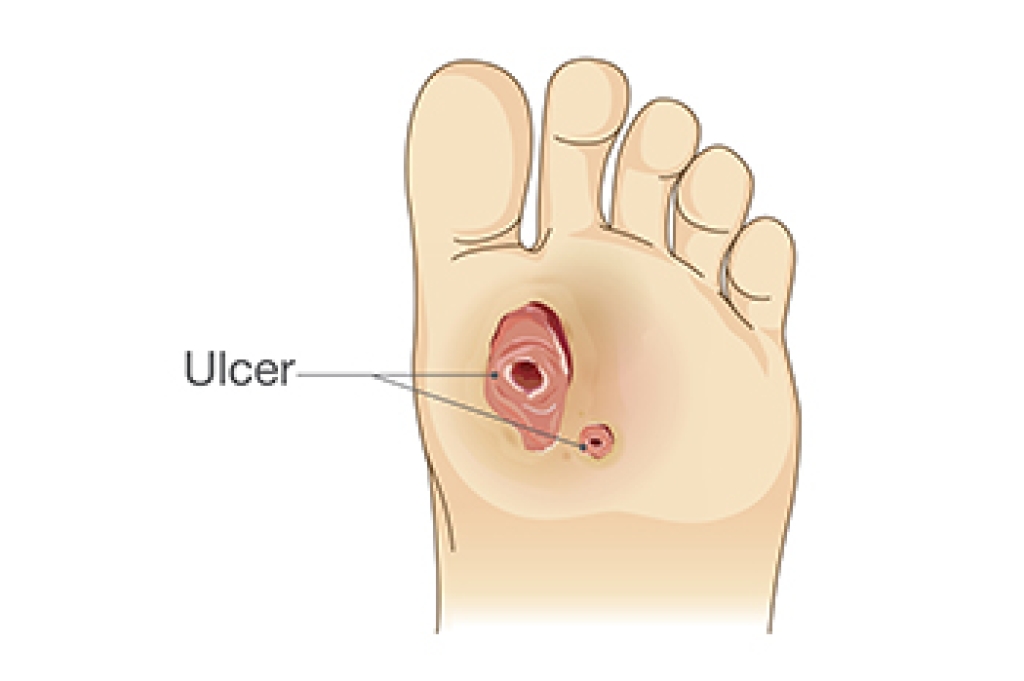
A diabetic foot ulcer is an open sore that develops on the foot, often in people with diabetes due to poor circulation and nerve damage. This condition can begin with a small cut, blister, or pressure point that goes unnoticed because of reduced sensation. Over time, the area may break down and form a wound that is slow to heal. Symptoms can include redness, swelling, drainage, and, in some cases, a foul odor. Risk factors include long term diabetes, wearing improper footwear, high blood sugar levels, and previous foot injuries. If not treated early, the ulcer can deepen and lead to serious complications. A podiatrist can examine the wound, assess circulation, and provide specialized care to promote healing and prevent infection. If you have diabetes and have developed a foot ulcer, it is strongly suggested that you are under the care of a podiatrist who can effectively treat the wound and help you manage this serious condition.

Wound care is an important part in dealing with diabetes. If you have diabetes and a foot wound or would like more information about wound care for diabetics, consult with one of our podiatrists from Foot Care Centers of Palm Beach. Our doctors will assess your condition and provide you with quality foot and ankle treatment.

What Is Wound Care?

Wound care is the practice of taking proper care of a wound. This can range from the smallest to the largest of wounds. While everyone can benefit from proper wound care, it is much more important for diabetics. Diabetics often suffer from poor blood circulation which causes wounds to heal much slower than they would in a non-diabetic. 

What Is the Importance of Wound Care?

While it may not seem apparent with small ulcers on the foot, for diabetics, any size ulcer can become infected. Diabetics often also suffer from neuropathy, or nerve loss. This means they might not even feel when they have an ulcer on their foot. If the wound becomes severely infected, amputation may be necessary. Therefore, it is of the upmost importance to properly care for any and all foot wounds.

How to Care for Wounds

The best way to care for foot wounds is to prevent them. For diabetics, this means daily inspections of the feet for any signs of abnormalities or ulcers. It is also recommended to see a podiatrist several times a year for a foot inspection. If you do have an ulcer, run the wound under water to clear dirt from the wound; then apply antibiotic ointment to the wound and cover with a bandage. Bandages should be changed daily and keeping pressure off the wound is smart. It is advised to see a podiatrist, who can keep an eye on it.

If you have any questions please contact our office located in Boynton Beach, FL . We offer the newest diagnostic and treatment technologies for all your foot and ankle needs.
Read more about Wound Care

Plantar Warts Can Be Treated!

Plantar warts are small growths that develop on parts of the feet that bear weight. They're typically found on the bottom of the foot. Don't live with plantar warts, and call us today!

Ankle-Foot Orthosis and Support for Stability

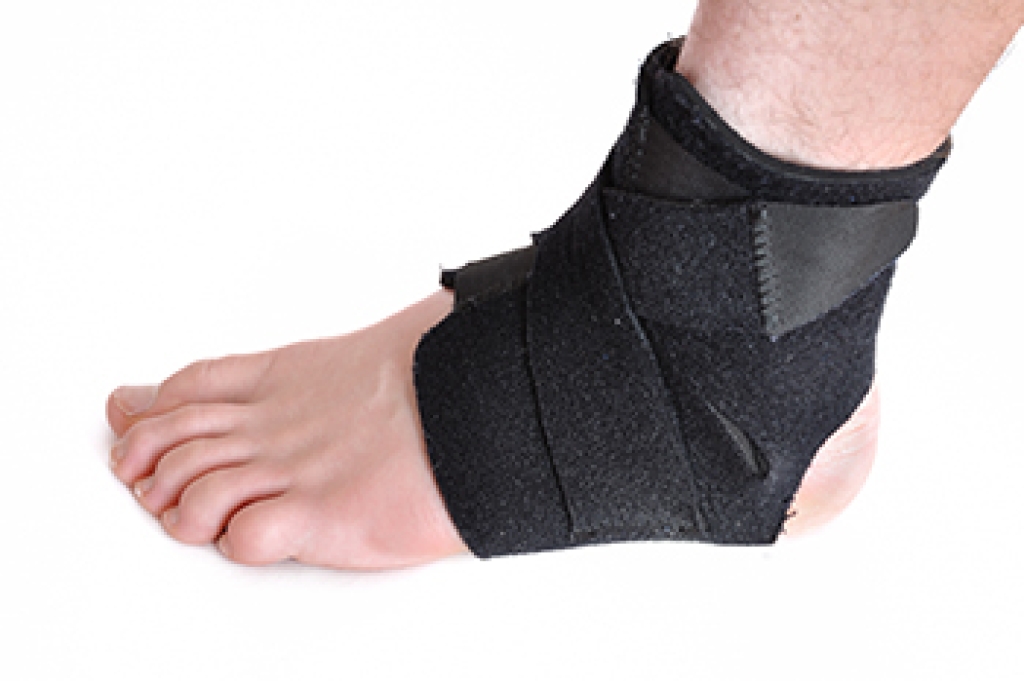
An ankle-foot orthosis is a supportive brace designed to improve stability, alignment, and movement in the foot and ankle. It is often used when weakness, injury, or nerve-related conditions affect normal walking. People who need this support may notice foot drop, instability, or difficulty lifting the front of the foot during each step. These issues can develop from neurological conditions, muscle imbalances, or trauma that disrupts proper function. Wearing an ankle-foot orthosis helps guide the foot into a more natural position and can reduce strain on surrounding structures. A podiatrist plays an important role by evaluating gait, customizing the device, and ensuring a proper fit for comfort and effectiveness. If walking feels unsteady or limited, it is strongly suggested that you seek guidance from a podiatrist for appropriate care.

If you are having discomfort in your feet and would like to try orthotics, contact one of our podiatrists from Foot Care Centers of Palm Beach. Our doctors can provide the care you need to keep you pain-free and on your feet.

What Are Orthotics?

Orthotics are inserts you can place into your shoes to help with a variety of foot problems such as flat feet or foot pain. Orthotics provide relief and comfort for minor foot and heel pain but can’t correct serious biomechanical problems in your feet.

Over-the-Counter Inserts

Orthotics come in a wide variety of over-the-counter inserts that are used to treat foot pain, heel pain, and minor problems. For example, arch supports can be inserted into your shoes to help correct overarched or flat feet, while gel insoles are often used because they provide comfort and relief from foot and heel pain by alleviating pressure.

Prescription Orthotics

If over-the-counter inserts don’t work for you or if you have a more severe foot concern, it is possible to have your podiatrist prescribe custom orthotics. These high-quality inserts are designed to treat problems such as abnormal motion, plantar fasciitis, and severe forms of heel pain. They can even be used to help patients suffering from diabetes by treating foot ulcers and painful calluses and are usually molded to your feet individually, which allows them to provide full support and comfort.

If you are experiencing minor to severe foot or heel pain, it’s recommended to speak with your podiatrist about the possibilities of using orthotics. A podiatrist can determine which type of orthotic is right for you and allow you to take the first steps towards being pain-free.

If you have any questions, please feel free to contact our office located in Boynton Beach, FL . We offer the newest diagnostic and treatment technologies for all your foot care needs.

Read more about Foot Orthotics

Connect With Us

Podiatrists Boynton Beach, FL 33437 Scroll to top
Request Appointment