
Common Causes of Foot Pain in Women

Foot pain in women may develop from several lifestyle and health-related factors that place stress on the feet. Wearing high heel shoes or shoes that fit improperly can increase pressure on the forefoot and toes, often leading to discomfort, swelling, and deformities over time. Pregnancy may also contribute to foot pain because increased body weight and hormonal changes can affect ligaments and foot stability. Additionally, conditions such as osteoporosis may weaken bone strength, while rheumatoid arthritis can cause joint inflammation, stiffness, and swelling in the feet. Risk factors may include prolonged standing,  wearing improper footwear, and genetic predisposition. A podiatrist can evaluate symptoms and provide personalized treatment. If you have foot pain, it is suggested that you consult a podiatrist who can determine what the cause is, and offer appropriate relief and treatment solutions.

Foot Pain

Foot pain can be extremely painful and debilitating. If you have a foot pain, consult with one of our podiatrists from Foot Care Centers of Palm Beach. Our doctors will assess your condition and provide you with quality foot and ankle treatment.

Causes

Foot pain is a very broad condition that could be caused by one or more ailments. The most common include:

  • Bunions
  • Hammertoes
  • Plantar Fasciitis
  • Bone Spurs
  • Corns
  • Tarsal Tunnel Syndrome
  • Ingrown Toenails
  • Arthritis (such as Gout, Rheumatoid, and Osteoarthritis)
  • Flat Feet
  • Injury (from stress fractures, broken toe, foot, ankle, Achilles tendon ruptures, and sprains)
  • And more

Diagnosis

To figure out the cause of foot pain, podiatrists utilize several different methods. This can range from simple visual inspections and sensation tests to X-rays and MRI scans. Prior medical history, family medical history, and any recent physical traumatic events will all be taken into consideration for a proper diagnosis.

Treatment

Treatment depends upon the cause of the foot pain. Whether it is resting, staying off the foot, or having surgery; podiatrists have a number of treatment options available for foot pain.

If you have any questions, please feel free to contact our office located in Boynton Beach, FL . We offer the newest diagnostic and treatment technologies for all your foot care needs.

Read more about Foot Pain

When Rheumatoid Arthritis Affects the Feet

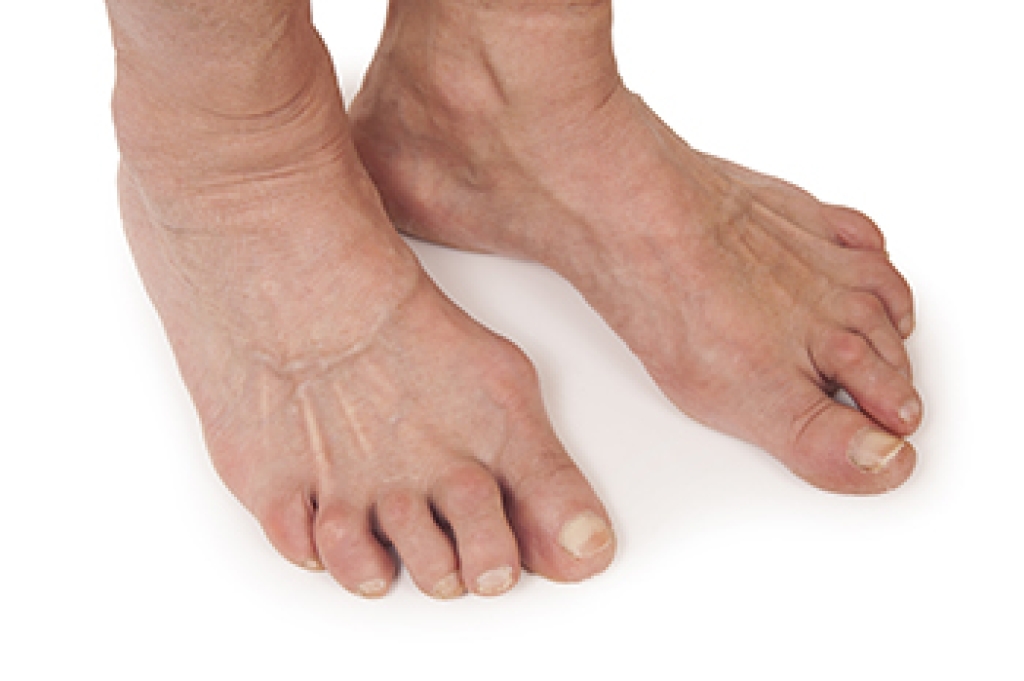
Rheumatoid arthritis is an inflammatory condition that can significantly affect the joints of the feet and ankles. Because each foot contains many small joints, this disease often causes pain, stiffness, and swelling in the toes and the front of the foot. Many patients notice morning stiffness that improves slowly as the day progresses. The joints may appear swollen or warm, and over time the toes can shift out of their normal position, sometimes creating bunions or hammertoes. Walking may become uncomfortable as pressure points develop on the ball of the foot. Rheumatoid arthritis occurs when the immune system mistakenly attacks the lining of the joints, leading to ongoing inflammation and joint damage. A podiatrist can help identify how the condition is affecting the feet through examination and imaging when needed. Treatment may include supportive footwear, custom orthotics, protective padding, and targeted exercises to maintain joint mobility. If you have rheumatoid arthritis affecting your feet, it is suggested that you make an appointment with a podiatrist.

Because RA affects more than just your joints, including the joints in your feet and ankles, it is important to seek early diagnosis from your podiatrist if you feel like the pain in your feet might be caused by RA. For more information, contact one of our podiatrists of Foot Care Centers of Palm Beach. Our doctors will assist you with all of your podiatric concerns.

What Is Rheumatoid Arthritis?

Rheumatoid Arthritis (RA) is an autoimmune disorder in which the body’s own immune system attacks the membranes surrounding the joints. Inflammation of the lining and eventually the destruction of the joint’s cartilage and bone occur, causing severe pain and immobility.

Rheumatoid Arthritis of the Feet

Although RA usually attacks multiple bones and joints throughout the entire body, almost 90 percent of cases result in pain in the foot or ankle area.

Symptoms

  • Swelling and pain in the feet
  • Stiffness in the feet
  • Pain on the ball or sole of feet
  • Joint shift and deformation

Diagnosis

Quick diagnosis of RA in the feet is important so that the podiatrist can treat the area effectively. Your doctor will ask you about your medical history, occupation, and lifestyle to determine the origin of the condition. Rheumatoid Factor tests help to determine if someone is affected by the disease.

If you have any questions, please feel free to contact our office located in Boynton Beach, FL . We offer the newest diagnostic and treatment technologies for all your foot care needs.

Read more about Rheumatoid Arthritis in the Feet

High Heels and Damage to the Feet

High heels may look stylish, but they can place heavy strain on the feet and the rest of the body. When the heel is lifted, body weight shifts forward onto the ball of the foot. This added pressure can lead to pain, bunions, curled toes, thickened skin, and burning sensations in the front of the foot. The higher the heel, the greater the stress. High heels also change posture. To stay balanced, the lower back arches more, the knees stay bent, and the calf muscles tighten. Over time, this unnatural position can cause soreness in the feet, knees, hips, and back. Walking in narrow heels can affect balance and increase the risk of ankle sprains or falls. Wearing high heels often may even change the shape of the foot. A podiatrist can examine your feet, identify damage caused by high heels, and provide treatment to relieve pain and prevent further problems. If you have foot pain after wearing high heels, it is suggested that you make an appointment with a podiatrist for an exam, diagnosis, and treatment.

High heels have a history of causing foot and ankle problems. If you have any concerns about your feet or ankles, contact one of our podiatrists from Foot Care Centers of Palm Beach. Our doctors can provide the care you need to keep you pain-free and on your feet.

Effects of High Heels on the Feet

High heels are popular shoes among women because of their many styles and societal appeal.  Despite this, high heels can still cause many health problems if worn too frequently.

Which Parts of My Body Will Be Affected by High Heels?

  • Ankle Joints
  • Achilles Tendon – May shorten and stiffen with prolonged wear
  • Balls of the Feet
  • Knees – Heels cause the knees to bend constantly, creating stress on them
  • Back – They decrease the spine’s ability to absorb shock, which may lead to back pain.  The vertebrae of the lower back may compress.

What Kinds of Foot Problems Can Develop from Wearing High Heels?

  • Corns
  • Calluses
  • Hammertoe
  • Bunions
  • Morton’s Neuroma
  • Plantar Fasciitis

How Can I Still Wear High Heels and Maintain Foot Health?

If you want to wear high heeled shoes, make sure that you are not wearing them every day, as this will help prevent long term physical problems.  Try wearing thicker heels as opposed to stilettos to distribute weight more evenly across the feet.  Always make sure you are wearing the proper shoes for the right occasion, such as sneakers for exercising.  If you walk to work, try carrying your heels with you and changing into them once you arrive at work.  Adding inserts to your heels can help cushion your feet and absorb shock. Full foot inserts or metatarsal pads are available. 

If you have any questions, please feel free to contact our office located in Boynton Beach, FL . We offer the newest diagnostic and treatment technologies for all your foot care needs.
Read more about Why High Heels Are Not Ideal for Healthy Feet

When Toenails Become Thick and Discolored

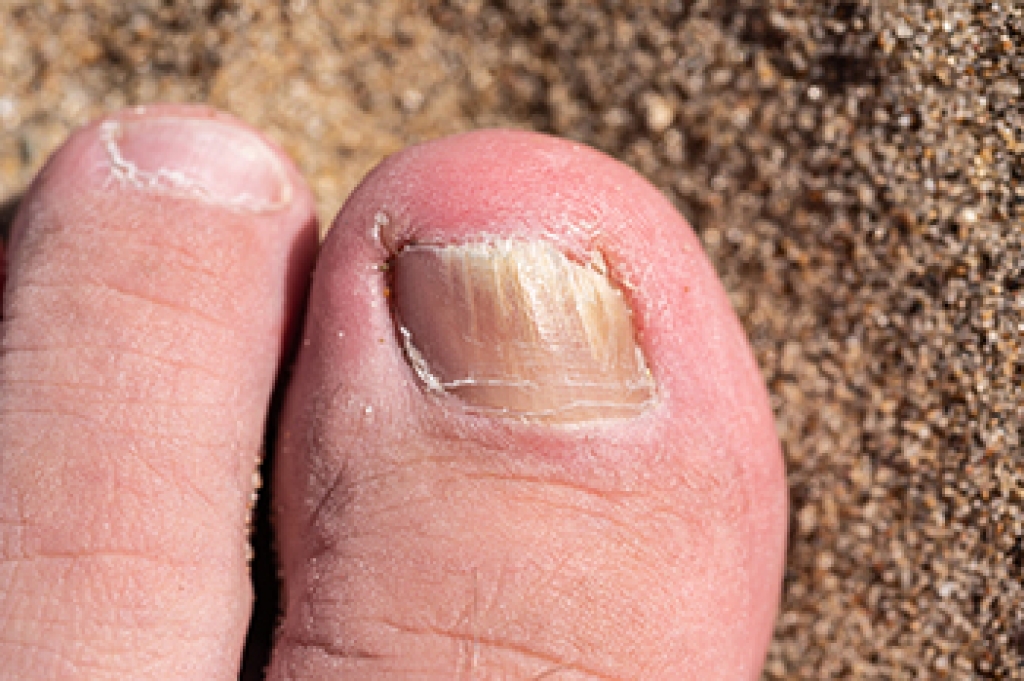
A fungal infection of the toenails, termed onychomycosis, causes changes in color, thickness, and texture. The nail may appear yellow, brown, or white, and can become brittle, crumbly, or separated from the nail bed. Some patients notice a foul odor or debris collecting under the nail. This condition develops when fungi enter through small cracks in the nail or surrounding skin, often thriving in warm, moist environments like sweaty shoes. Although it may begin as a cosmetic concern, untreated toenail fungus can lead to discomfort, pressure while wearing shoes, and the spread of infection to other nails or skin. A podiatrist will examine the nail and may take a sample to confirm the diagnosis before recommending treatment. Options include topical medication, oral antifungal therapy, or, in some cases, removal of the infected portion of the nail. If you have signs of a toenail infection, it is suggested that you schedule an appointment with a podiatrist for a proper diagnosis and appropriate treatment.

If left untreated, toenail fungus may spread to other toenails, skin, or even fingernails. If you suspect you have toenail fungus it is important to seek treatment right away. For more information about treatment, contact one of our podiatrists of Foot Care Centers of Palm Beach. Our doctors can provide the care you need to keep you pain-free and on your feet.

Symptoms

  • Warped or oddly shaped nails
  • Yellowish nails
  • Loose/separated nail
  • Buildup of bits and pieces of nail fragments under the nail
  • Brittle, broken, thickened nail

Treatment

If self-care strategies and over-the-counter medications does not help your fungus, your podiatrist may give you a prescription drug instead. Even if you find relief from your toenail fungus symptoms, you may experience a repeat infection in the future.

Prevention

In order to prevent getting toenail fungus in the future, you should always make sure to wash your feet with soap and water. After washing, it is important to dry your feet thoroughly especially in between the toes. When trimming your toenails, be sure to trim straight across instead of in a rounded shape. It is crucial not to cover up discolored nails with nail polish because that will prevent your nail from being able to “breathe”.

In some cases, surgical procedure may be needed to remove the toenail fungus. Consult with your podiatrist about the best treatment options for your case of toenail fungus.  

If you have any questions please contact our office located in Boynton Beach, FL . We offer the newest diagnostic and treatment technologies for all your foot and ankle needs.

Read more about Treating Toenail Fungus

Connect With Us

Podiatrists Boynton Beach, FL 33437 Scroll to top